
01
The responsibility
Public health communication is not simply about visibility.
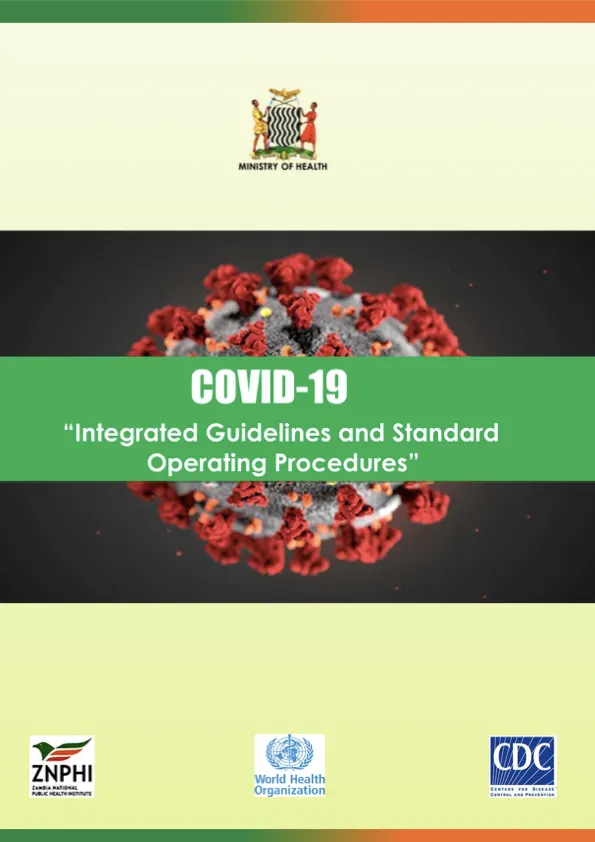
ZNPHI was a strategic brand partnership and digital publishing project connected to one of the most important communication challenges in public health: helping people understand information that affects their lives.
Public health communication carries a different kind of responsibility. It is about clarity, trust, accuracy, urgency, and public confidence.
When health information is unclear, people do not only misunderstand a message. They may make decisions that affect families, communities, workplaces, and national wellbeing.
02
The challenge
Authority had to become accessible without losing accuracy.
The strategic challenge was to support ZNPHI in communicating with greater structure, consistency, and public relevance.
Public health institutions must feel authoritative without becoming inaccessible. They must communicate urgency without creating panic.
They must simplify complex information without weakening its accuracy, while speaking to professionals, institutions, media, communities, and everyday citizens at the same time.
03
The truth
This was not a design problem alone. It was a trust problem.
The thinking behind the work was rooted in one central idea: public health information only works when people can understand it, trust it, and act on it.
Our role as strategic brand partner and digital publisher was to help shape communication in a way that made information easier to receive and easier to use.
The work strengthened how public health messages were packaged, presented, and distributed across digital touchpoints.
04
The publishing system
Public health information moves fast, so structure matters.
Digital publishing mattered because public health information moves fast.
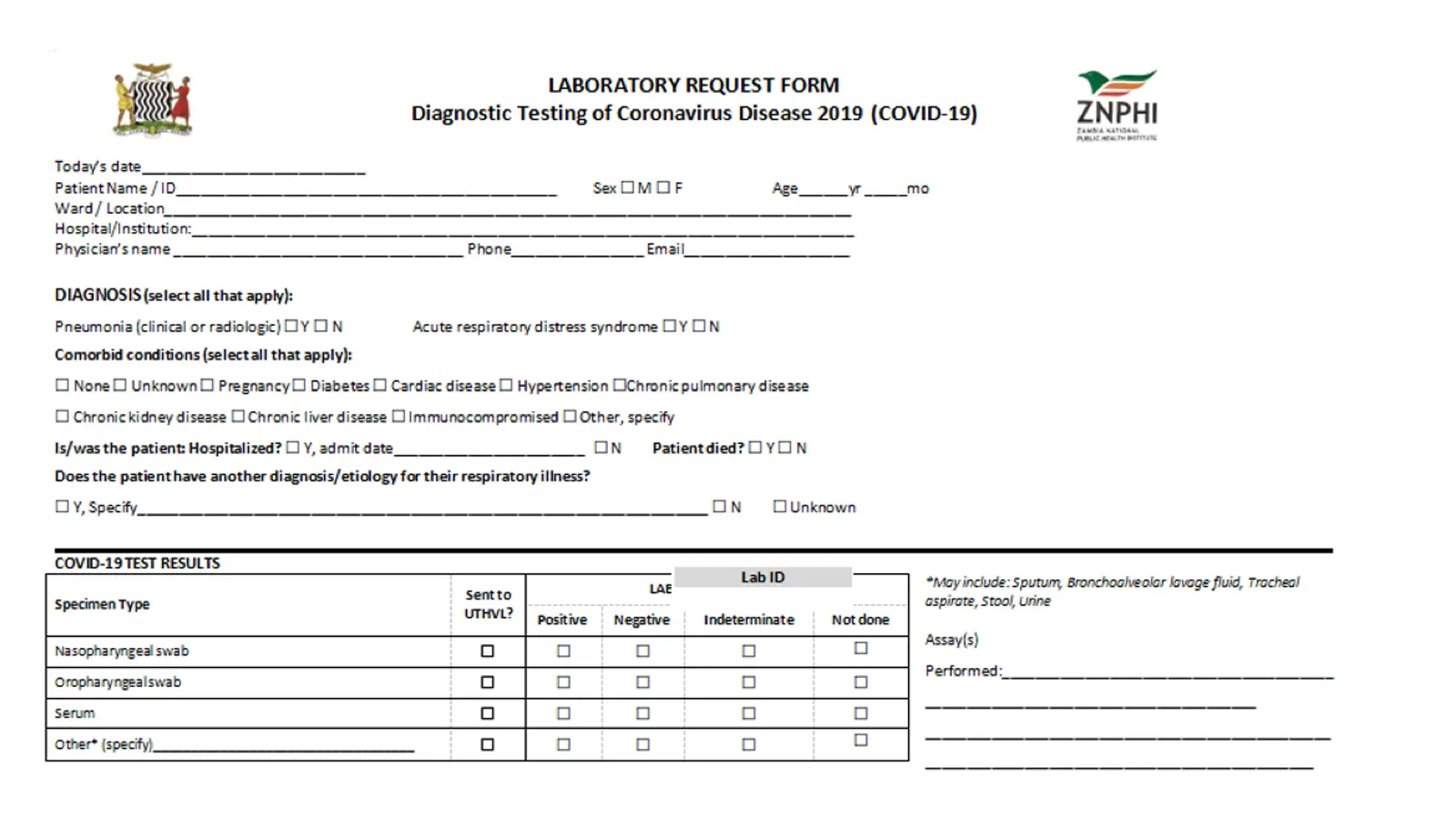
Reports, notices, updates, campaigns, advisories, and educational content need to be organized clearly and published with discipline.
The audience must be able to recognize the source, understand the message, and know what action or awareness is required.
05
The hierarchy
In public health, layout is not decoration.
The strategic role was to help turn institutional information into public-facing communication.
This required clarity of hierarchy: what must be seen first, what must be understood quickly, what needs supporting detail, what should the public remember, and what the institution needs people to do next.
In public health, layout is not decoration. Structure affects comprehension.
06
The cultural insight
People look for a source they can trust.
In moments of public concern, people do not only look for information. They look for a source they can trust.
That insight shaped the communication approach. The goal was not to make public health content dramatic. It was to make it dependable.
A strong public health communication system should reduce confusion, guide attention, and help people feel that someone competent is paying attention.
The deeper belief
Public health is not only protected in laboratories, clinics, and policy rooms. It is also protected in the way information reaches people.