01
The category
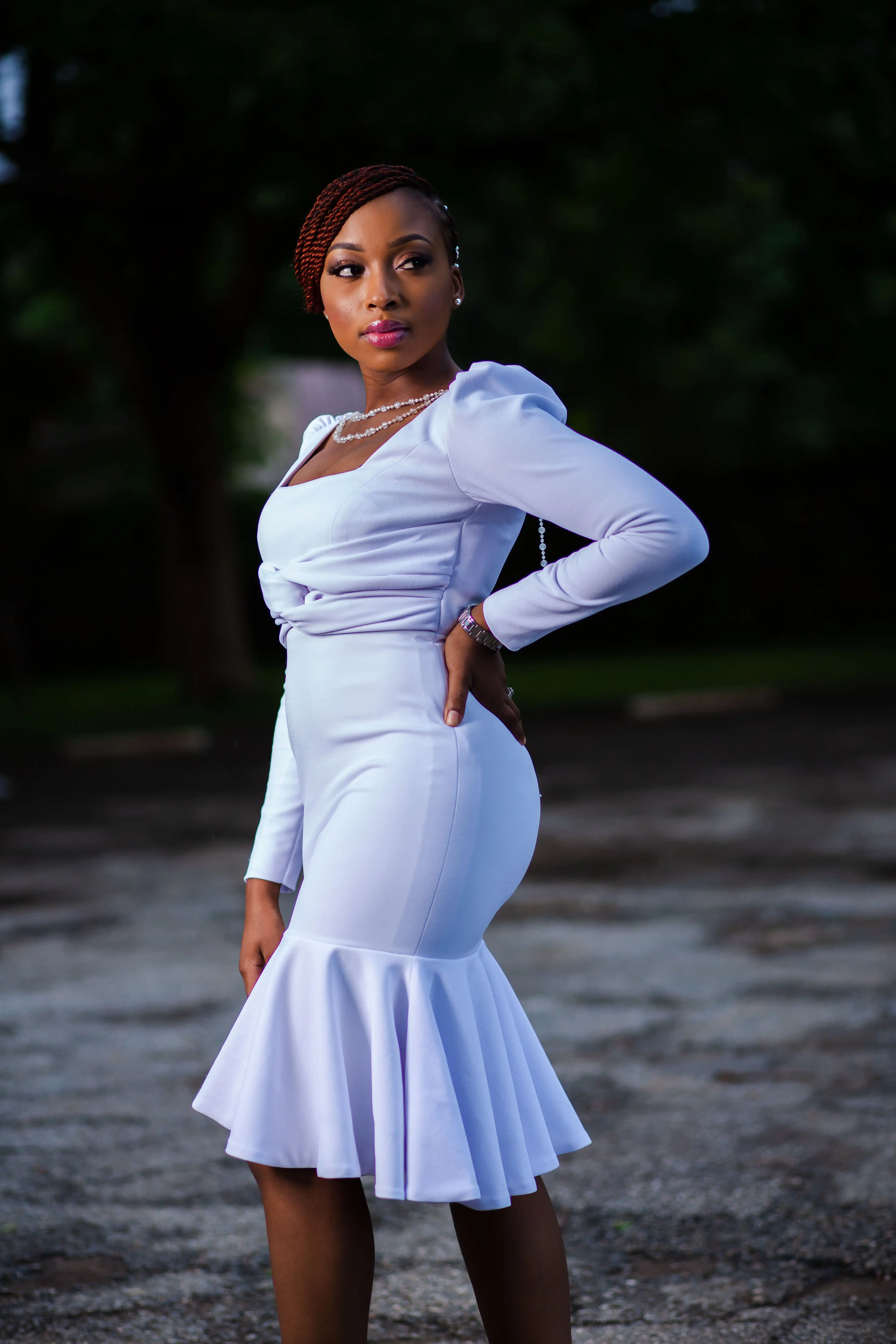
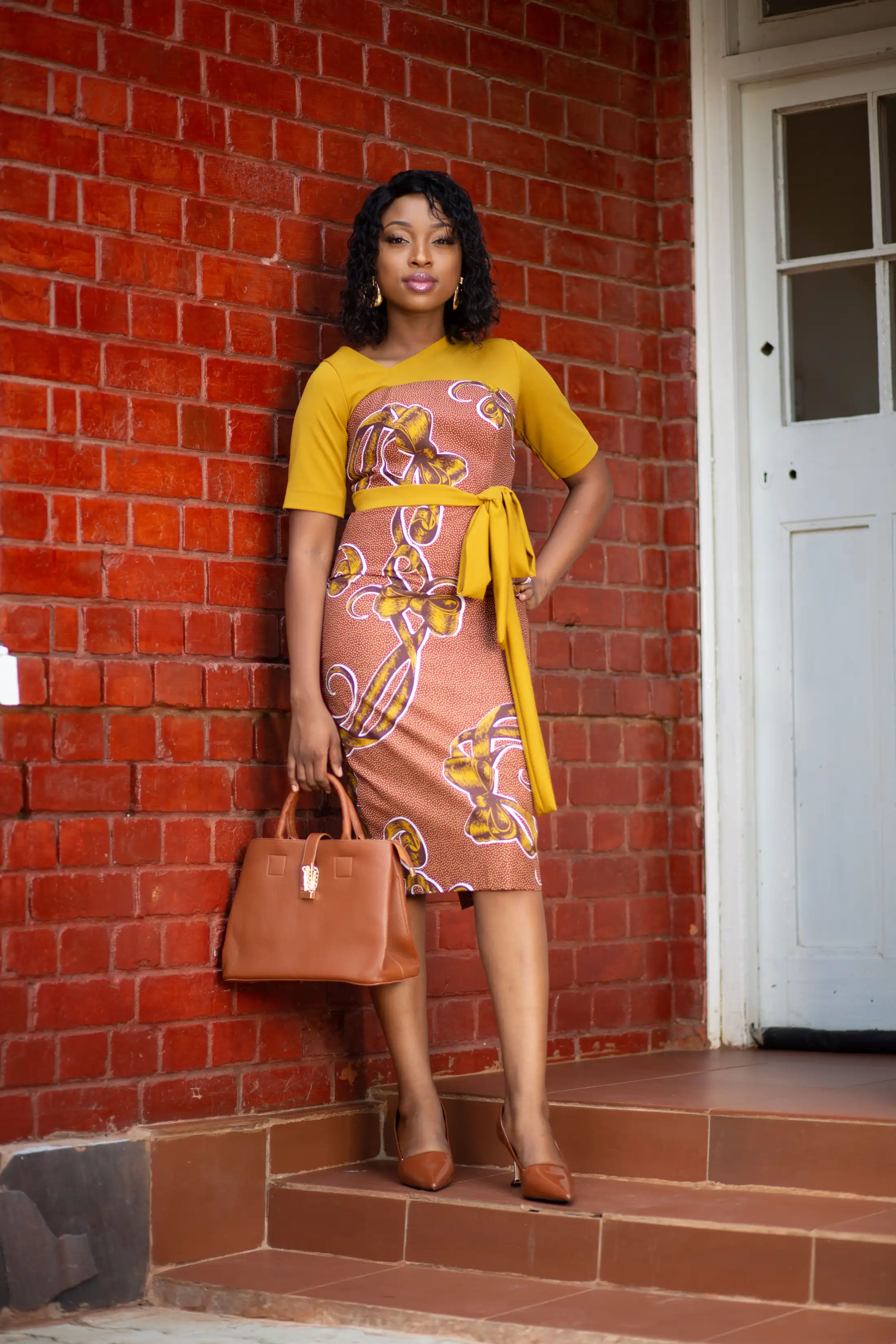
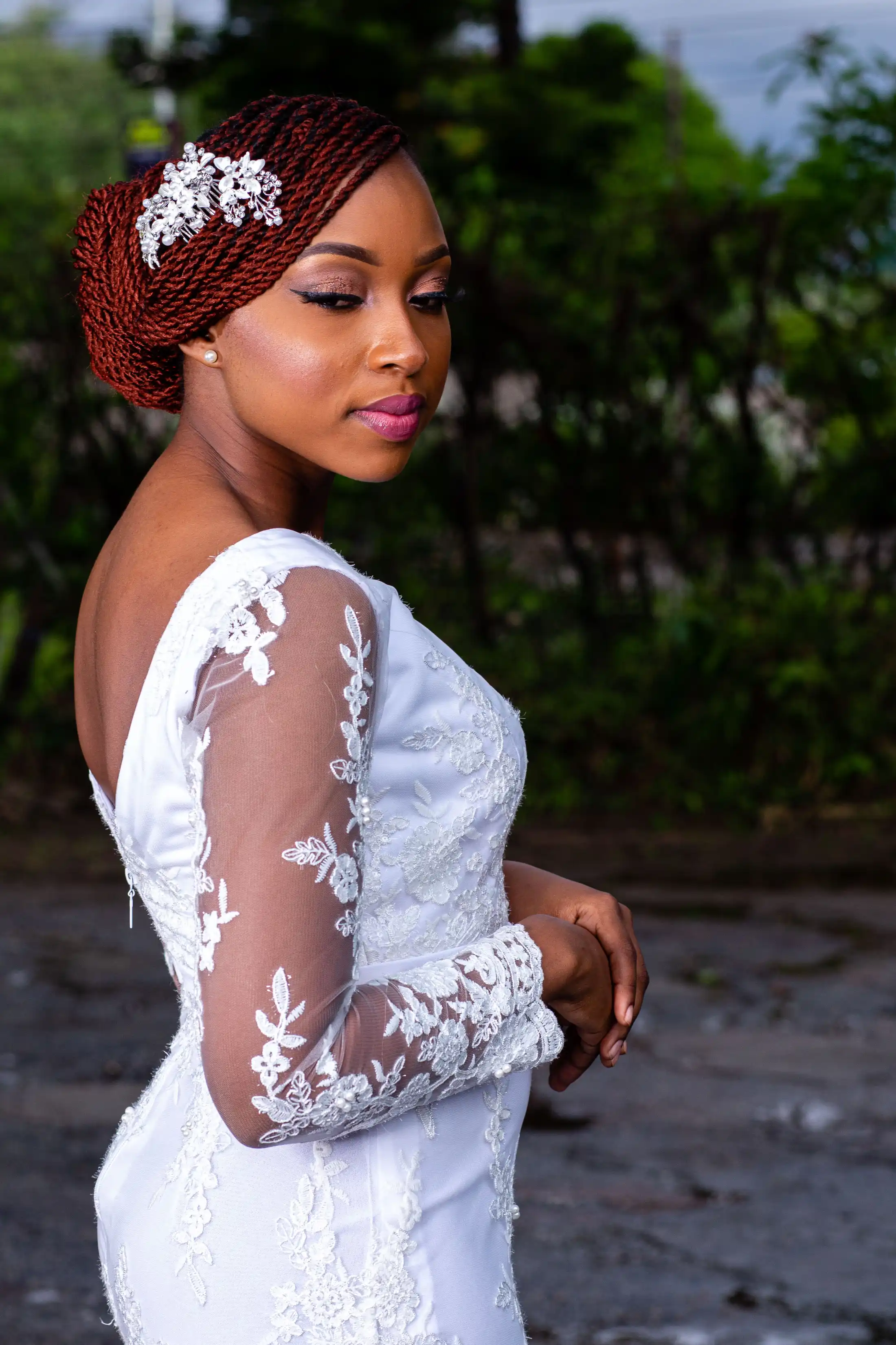
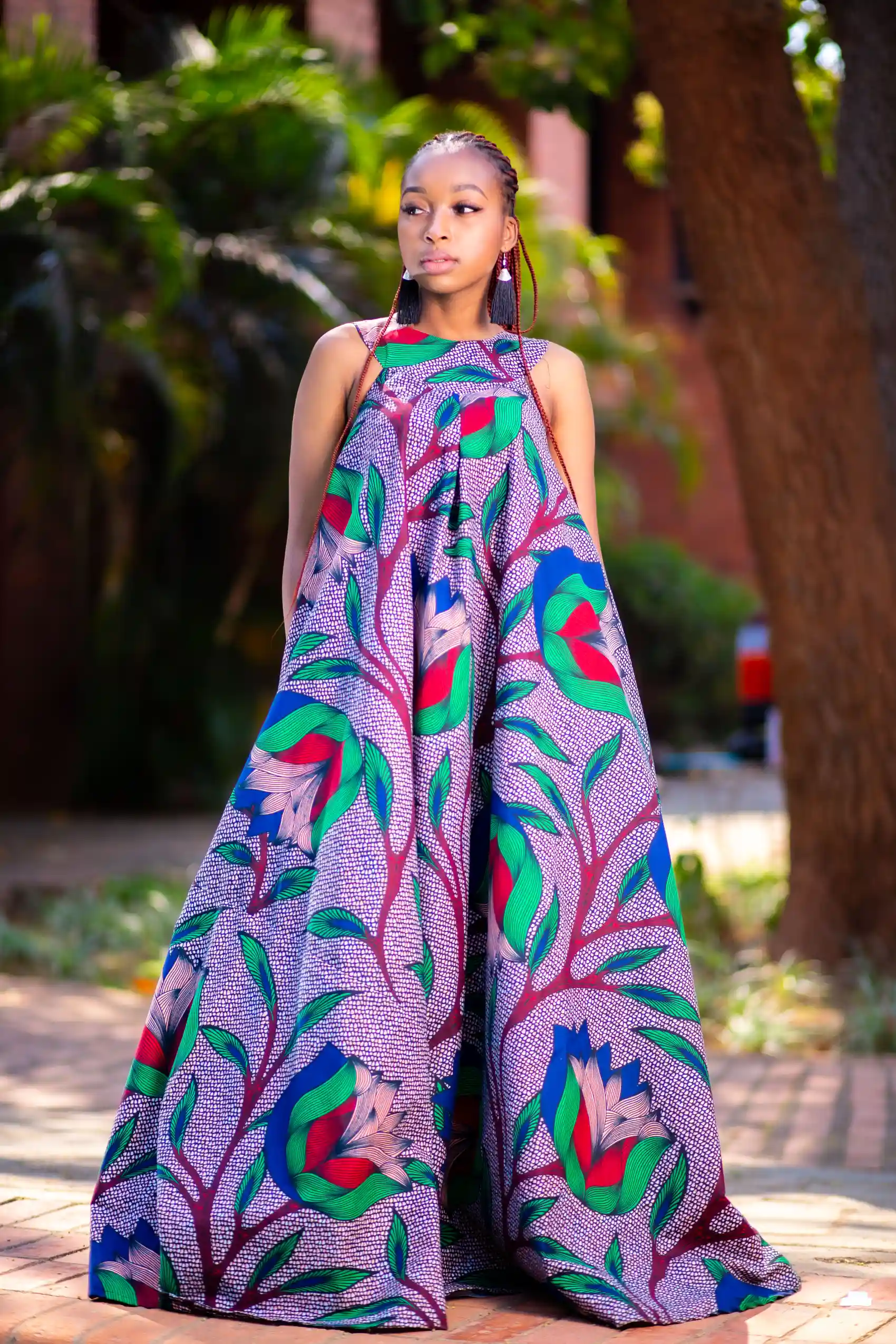
African couture is about how people enter rooms.
Hartbrooks was a brand strategy and brand development project for an African couture clothing company.
The strategic challenge was to create a brand that could carry the richness of African fashion without reducing it to fabric, colour, or cultural decoration.
African couture is not just about what people wear. It is about how people enter rooms, ceremony, confidence, memory, beauty, identity, and the quiet power of being seen.
02
The opportunity
Cultural expression and timeless sophistication can live in the same garment.
Hartbrooks needed to become a brand that understood clothing is not only functional. It is expressive.
The opportunity was to position Hartbrooks as a fashion house for people who want garments that feel personal, refined, and culturally grounded.
African fashion is often treated as traditional, occasional, loud, or seasonal. The brand needed to show that African design can be elegant, contemporary, luxurious, and deeply versatile.
03
The idea
Rooted and refined had to work together.
The thinking began with one question: how do you make African couture feel both rooted and refined?
The answer was to build the brand around presence.
Hartbrooks needed to speak to clients who are not simply looking for clothes, but for pieces that help them show up with confidence. A custom piece says, this was made with me in mind. A ready-to-wear piece says, this brand understands the kind of person I want to be when I wear it.
04
The strategy
Individuality, elegance, and cultural confidence shaped the brand.
First, individuality. Hartbrooks needed to communicate that fashion is personal. The customer is choosing how they want to be seen.
Second, elegance. The brand had to feel polished and intentional, not busy or overly decorative.
Third, cultural confidence. The brand needed to celebrate African identity without making it feel costume-like or trapped in tradition.
05
The cultural insight
People wear culture to declare how they want to move forward.
People do not only wear culture to remember where they come from. They wear it to declare how they want to move forward.
That idea gave Hartbrooks a stronger emotional position at the intersection of heritage and aspiration.
The brand could serve clients who want to honour culture while still looking current, elevated, and personally expressive.
06
The brand world
The identity had to feel elegant, warm, and flexible.
The brand development had to support a world that was elegant enough for couture, warm enough for personal client relationships, and flexible enough to carry both bespoke and ready-to-wear offerings.
Hartbrooks needed to communicate craft without sounding old-fashioned, quality without becoming distant, and African beauty without relying on cliches.
The work was not to make the brand shout. The work was to help it carry itself with confidence.
The deeper belief
The best garments do not simply cover the body. They introduce the person.